
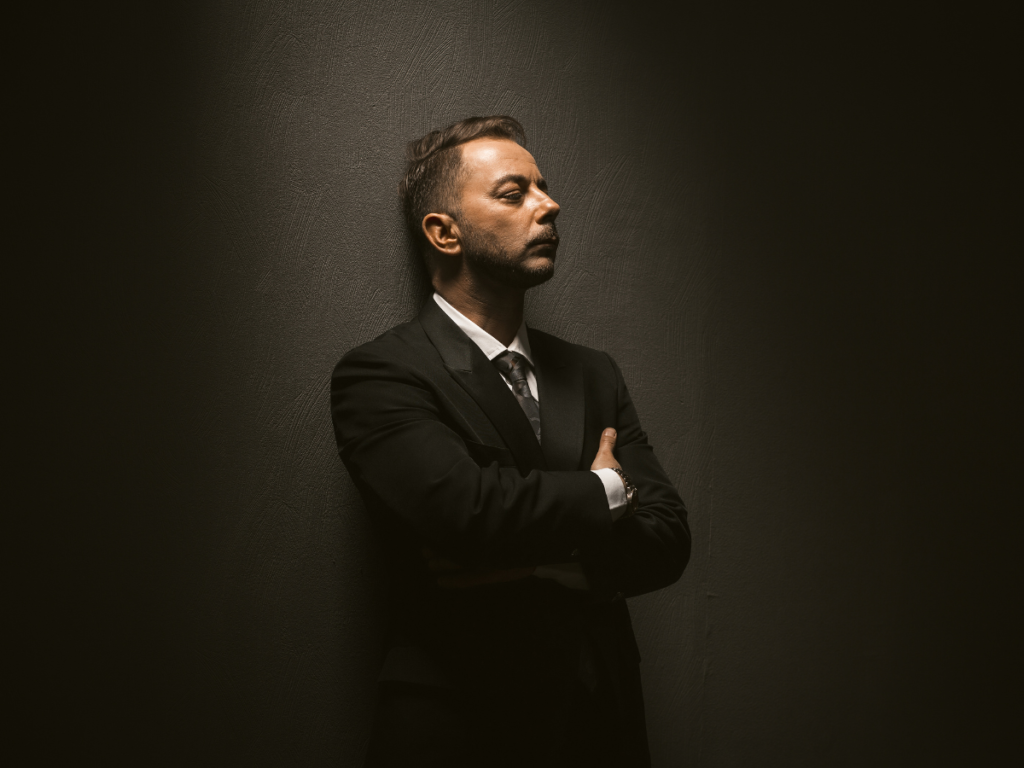
The role of CEO is often described as the pinnacle of leadership, yet it can also be one of the loneliest positions in business. The expectation that senior executives must have all the answers, make every difficult call, and remain endlessly resilient can create a heavy burden both professionally and personally.
But leadership does not need to be solitary. The most effective leaders are those who cultivate support networks, embrace collective intelligence, and deliberately create space for reflection.
Building a Trusted Tribe
A CEO’s formal leadership team is vital, but it cannot be the only sounding board. Trusted advisors, whether peers, board members, or fellow CEOs, offer invaluable counsel precisely because they sit outside the daily pressures of the executive role.
Recently, I spoke with a client in the retail sector who described how transformative it was to establish a small circle of peers outside their organisation. These trusted voices provided honest feedback, challenged assumptions, and helped them see blind spots that their internal team, despite its strengths, could not.
At Burton Sinclair, we have seen repeatedly that leaders who invest in building these “trusted tribes” are more grounded, better informed, and more effective in navigating uncertainty.
Seeking Collective Intelligence
Great leaders recognise that wisdom rarely sits with one individual. They deliberately foster cultures where open discussion and constructive dissent are welcomed.
One client in the technology sector shared how their new CEO shifted boardroom dynamics by encouraging debate rather than consensus. Far from weakening authority, this approach created stronger strategies. The executive team began to feel empowered, knowing their voices truly mattered. The CEO, meanwhile, benefited from better decisions informed by a diversity of perspectives.
Leadership today is as much about curating collective intelligence as it is about individual insight. The organisations that thrive are those whose leaders know when to listen, when to question, and when to invite challenge.
Taking Time Back: Self-Care for Leaders
Another reality of modern leadership is relentless demand. Emails, calls, investor updates, and operational firefighting can consume entire days. Yet strategic thinking requires hours, not minutes.
I recently worked with an executive who deliberately scheduled “white space” into their calendar: several hours each week dedicated solely to reflection, reading, and long-term planning. Their team quickly recognised the value. Decisions became more measured, strategic priorities became clearer, and stress levels were reduced across the organisation.
Self-care at this level is not indulgent, it is essential. Leaders who protect time for deep thinking, personal renewal, and balance ultimately perform more effectively.
Conclusion
The loneliness of leadership is real, but it does not need to define the executive experience. By cultivating trusted networks, embracing collective intelligence, and protecting time for reflection, leaders can build resilience and clarity.
At Burton Sinclair, we believe these qualities are not luxuries but necessities for effective modern leadership. When we partner with organisations, we look not only at technical and strategic fit, but also at a leader’s capacity to balance resilience with authenticity, and authority with openness.
Enhance your leadership team with executives who deliver growth, trust, and alignment. Partner with Burton Sinclair for bespoke executive search solutions.
About the Author, Damien McCleane, Head of Strategic Recruitment at Burton Sinclair
With nearly 30 years of experience across recruitment, training, business development, and customer relationship management, Damien McCleane is an accomplished professional with a versatile background in executive and managerial roles across diverse sectors. Also serving as Regional Manager at Hartley People, Damien combines his expertise in strategic recruitment, client partnership, and team leadership to drive excellence and innovation within the executive search landscape.